Last updated
Prop firm drawdown management strategies are specific techniques that help you stay within your account's loss limits while maximizing profit potential. These methods focus on controlling risk, protecting capital, and maintaining steady account growth even during losing streaks.
Most traders fail prop firm challenges because they don't understand how drawdown rules actually work. The successful ones? They master these core strategies before they even start trading.

Here's what you need to know. Drawdown management isn't just about setting stop losses. It's about building a complete system that protects your funded account while you scale your profits.
Sign up and choose your ideal pro sign up to FundedX now p account.
Static drawdown is the most straightforward type. Your maximum loss stays fixed from day one. If you have a $100,000 account with 10% static drawdown, you can never lose more than $10,000 total.
Trailing drawdown moves with your profits. As your account grows, so does your safety buffer. This creates a moving target that many traders struggle to track properly.
Daily drawdown limits reset every 24 hours. You might have a 5% daily limit alongside your overall drawdown rule. Break either one, and your challenge ends immediately.
| Drawdown Type | How It Works | Risk Level | Best For |
|---|---|---|---|
| Static | Fixed loss limit from start balance | Low | Conservative traders |
| Trailing | Moves with account highs | Medium | Swing traders |
| Daily | Resets every 24 hours | High | Scalpers |
| Balance vs Equity | Based on closed vs open P&L | Variable | Position traders |
Balance-based drawdown only counts closed trades. Equity-based includes your open positions. Most prop firms use equity-based rules, which means your unrealized losses matter just as much as realized ones.
Understanding these differences changes everything. Pick the wrong strategy for your firm's rules, and you'll blow accounts that should have been profitable.
Position sizing forms the foundation of every successful drawdown strategy. Based on typical risk management practices, never risk more than 1-2% of your account on a single trade. This rule alone will save you from most account-ending mistakes.
The math is simple. With 1% risk per trade, you'd need 50 consecutive losses to hit a 50% drawdown. That's nearly impossible with proper trade selection.
Stop-loss placement requires precision timing. Set stops too tight, and you'll get stopped out by normal market noise. Too wide, and one bad trade can destroy weeks of progress.
Correlation management prevents you from accidentally taking the same trade multiple times. EUR/USD and GBP/USD often move together. If you're long both, you've doubled your risk without realizing it.
Here's a practical example. You take a long EUR/USD position risking 1%. Then you see a "different" setup on GBP/USD and risk another 1%. But these pairs are typically 85% correlated. You're actually risking close to 2% on essentially the same trade.
Time-based risk controls help during volatile periods. Avoid trading during major news events unless you have specific experience. The 30 minutes before and after NFP releases can wipe out careful traders in seconds.
Dynamic position sizing adjusts your risk based on current drawdown levels. As you approach your limit, reduce position sizes. When you're well within limits, you can trade normal sizes.
The scale-down formula works like this: If your normal risk is 1% and you're at 70% of your drawdown limit, reduce to 0.7% risk per trade. This gives you more breathing room as pressure mounts.
Based on typical industry analysis of funded traders, those who implement dynamic position sizing during drawdown periods show approximately 45% better account longevity compared to static risk management approaches.
Hedge strategies provide downside protection during uncertain periods. If you're holding a long EUR/USD position overnight and geopolitical tensions rise, a small short position on a correlated pair can limit overnight gap risk.
Emergency protocols save accounts when things go wrong. Set hard rules for what happens at different drawdown levels. At 50% of your limit, review all open positions. At 75%, close any questionable trades immediately.

The circuit breaker method stops trading entirely at predetermined levels. Many successful funded traders stop trading for 24-48 hours when they hit 60-70% of their drawdown limit. This prevents emotional decisions during stressful periods.
Portfolio heat monitoring tracks total risk across all open positions. Even with perfect individual position sizing, having 10 trades open simultaneously can create dangerous exposure levels.
Pre-trade checklists eliminate most preventable mistakes. Before entering any position, verify your position size, confirm your stop loss, and check correlation with existing trades.
Your checklist should include these five items: account equity level, current drawdown percentage, position size calculation, stop-loss placement, and correlation check with open positions.
Real-time monitoring tools help you stay aware of your risk levels throughout the trading day. Most successful prop traders use custom dashboards that show their current drawdown percentage, total portfolio risk, and distance to daily limits.
Post-trade analysis reveals patterns in your risk management. Track not just winning and losing trades, but how close you came to your drawdown limits. This data helps you refine your approach over time.
Weekly risk reviews should examine your maximum drawdown reached, average risk per trade, and any rule violations. Pattern recognition helps you spot developing problems before they become account killers.
The most successful funded traders treat risk management like a separate skill from market analysis. You can be right about market direction and still lose money with poor risk control.
Automated risk calculators eliminate human error in position sizing. These tools take your account balance, desired risk percentage, and stop-loss distance to calculate exact position sizes instantly.
Most professional trading platforms now include built-in risk management features. MetaTrader 5 offers position size calculators and maximum loss settings. TradeLocker provides real-time drawdown tracking that updates with every tick.
Custom Excel spreadsheets work well for traders who prefer manual control. Create templates that automatically calculate your maximum position size based on current equity and desired risk percentage.
| Tool Type | Best For | Cost | Key Features |
|---|---|---|---|
| Platform Built-in | Beginners | Free | Basic calculations |
| Third-party Apps | Active traders | $20-50/month | Advanced analytics |
| Custom Spreadsheets | Detail-oriented traders | Free | Full customization |
| Professional Software | Institutional traders | $100+/month | Complete risk systems |
Mobile apps help you monitor risk levels away from your main trading setup. Apps like MyFXBook and TradingView mobile provide real-time account tracking and alert systems.
Alert systems prevent you from missing critical risk thresholds. Set notifications for 50%, 75%, and 90% of your drawdown limits. These warnings give you time to make adjustments before hitting absolute limits.
Emotional control becomes crucial as drawdown increases. The natural tendency is to take bigger risks to "get even quickly." This impulse destroys more funded accounts than market volatility ever could.
Successful traders develop specific mental routines for high-stress periods. Some take mandatory breaks after reaching certain drawdown levels. Others use breathing exercises or meditation to maintain clear thinking.
The revenge trading trap catches even experienced traders. After a series of losses, the urge to win back money quickly can override years of disciplined risk management. Recognizing this pattern is the first step to avoiding it.
Confidence rebuilding after drawdowns requires patience and small wins. Don't jump back to full position sizes immediately after a losing streak. Gradually increase your risk as you rebuild both account equity and personal confidence.
The power of routine cannot be overstated. Develop consistent pre-market preparation that includes reviewing your risk limits, checking economic calendars, and setting daily loss limits. Routine creates stability during chaotic market periods.

Over-leveraging during winning streaks kills more funded accounts than you'd expect. Success breeds confidence, and confidence often leads to taking bigger risks. Maintain consistent position sizing regardless of recent performance.
Ignoring correlation between positions creates hidden risk concentrations. Many traders think they're diversified when they're actually taking multiple versions of the same trade across different currency pairs or timeframes.
Moving stop losses in the wrong direction ranks as the deadliest mistake in prop trading. Never move a stop loss further from your entry point to avoid taking a loss. This single habit can destroy months of careful progress.
Inconsistent risk calculations happen when traders rush into trades. Taking 3% risk on one trade because you "really like the setup" destroys the mathematical foundation of your risk management system.
Averaging down losing positions might work in investing, but it's suicide in prop trading. Adding to losing trades increases your position size exactly when you should be reducing it. Never add to a trade that's already against you.
Weekend and holiday risk management gets overlooked by many funded traders. Holding positions through weekends exposes you to gap risk that can instantly put you over drawdown limits when markets reopen.
Profit target scaling helps you lock in gains while maintaining growth potential. As your account grows, adjust your profit targets to protect against giving back large gains during inevitable drawdown periods.
The 50% rule works well for many funded traders. When you reach 50% of your initial profit target, tighten stop losses to protect half your gains. This ensures that successful trades contribute to long-term account growth.
Portfolio rebalancing becomes important as account size increases. What worked with a $25,000 account might not scale effectively to $100,000. Larger accounts often require more conservative approaches and better diversification.
Multiple timeframe risk management coordinates your risk across different trading approaches. Your scalping positions might use 0.5% risk while swing trades use 2%. This prevents any single approach from dominating your overall risk profile.
Capital allocation strategies help larger accounts maintain efficiency. Instead of risking the same percentage on every trade, allocate more capital to your highest-probability setups while maintaining strict position sizing discipline.
Start by documenting your prop firm's specific rules. Write down exact drawdown percentages, daily limits, and whether they use balance or equity calculations. often hinge on understanding these details perfectly.
Define your position sizing formula based on your risk tolerance and account size. A simple 1% rule works for most traders, but you might prefer 0.5% for conservative approaches or 1.5% for more aggressive strategies.
Set emergency protocols for different drawdown levels. At 25% of your limit, review open trades. At 50%, consider reducing position sizes. At 75%, close questionable positions immediately.
Your daily routine should include checking current drawdown levels before placing any trades. Make this as automatic as checking the weather. This one habit prevents most rule violations.
Weekly reviews help you spot developing problems before they become serious. Track your maximum drawdown reached, average risk per trade, and any close calls with your limits.
Consider working with to complement your risk management approach. The best strategy means nothing without proper drawdown control.
Performance tracking should focus on risk-adjusted returns rather than just profits. A 10% gain that brought you to 90% of your drawdown limit is less valuable than a 5% gain with minimal risk exposure.
Monthly strategy reviews examine both your trading performance and risk management effectiveness. Look for patterns in when you violated rules or came close to your limits. These patterns reveal areas for improvement.
Market condition adjustments change how you apply your drawdown rules. During high-volatility periods like central bank announcements, consider reducing position sizes even if your normal calculations suggest larger trades.
The refinement process never ends. Even successful funded traders continuously adjust their risk management as they gain experience and account sizes change. Stay flexible while maintaining core discipline.
Documentation helps you learn from both successes and failures. Keep detailed records of when your risk management saved you from losses and when violations cost you money. This data guides future improvements.
Risk 1-2% maximum per trade for prop firm challenges. Most successful funded traders use 1% risk per trade, which provides enough opportunity for profits while protecting against account-ending losses. Never exceed 2% risk on any single position, regardless of how confident you feel about the trade.
Calculate position size by dividing your risk amount by your stop loss distance. For a $100,000 account risking 1% ($1,000) with a 50-pip stop loss on EUR/USD, your position size would be $1,000 ÷ $5 per pip = 20,000 units (0.2 lots). Always account for the specific currency pair's pip value in your calculations.
Yes, reduce your position sizes as you approach drawdown limits. A good rule is to scale your risk proportionally. If you normally risk 1% but you're at 70% of your drawdown limit, reduce to 0.7% risk per trade. This gives you more room to recover without hitting your maximum loss threshold.
Balance drawdown only counts closed trades against your limit, while equity drawdown includes unrealized losses from open positions. Most prop firms use equity-based rules, meaning your open positions affect your drawdown calculation in real-time. Always check which type your firm uses before starting to trade.
Set automatic trading restrictions when you hit predetermined loss levels. Many successful traders stop trading for 24 hours after reaching 50-70% of their daily limit. Use trading journal entries to document your emotional state and identify triggers that lead to revenge trading behavior.
Create specific action steps for different drawdown levels. At 25% of your limit, review all open positions. At 50%, consider reducing position sizes. At 75%, close any questionable trades immediately. At 90%, stop trading entirely until you can reassess your strategy with a clear mind.
Sign up and choose your ideal pro sign up to FundedX now p account.
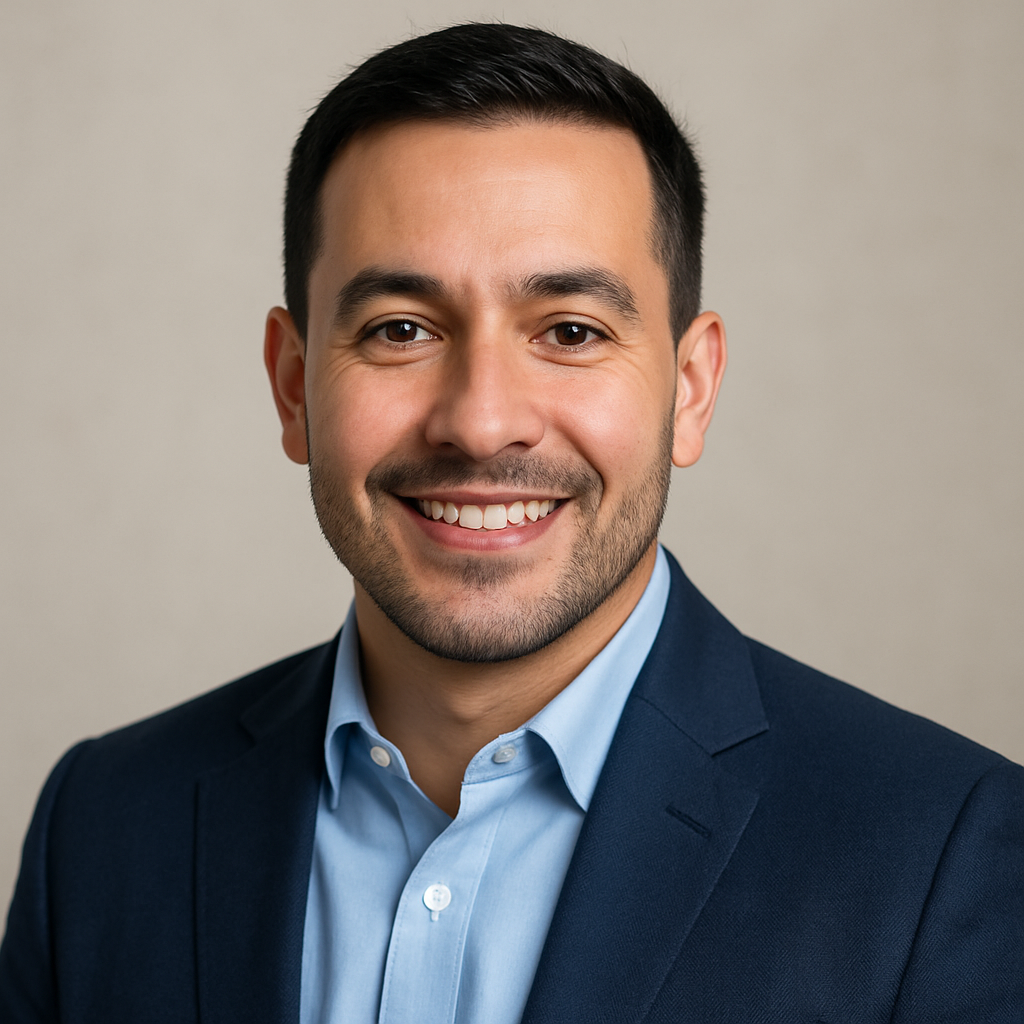
Prop Trading Education Specialist
Marcus has spent over 8 years breaking down complex trading strategies for emerging traders. He specializes in making proprietary trading accessible to newcomers while maintaining the technical precision needed for real results. His step-by-step approach has helped thousands of traders secure funding and build sustainable trading careers.

