Last updated
Industry estimates suggest that approximately 78% of aspiring prop traders fail their first evaluation — and here's the shocking truth: it's not because they can't trade. It's because they received the wrong education from the start.
The prop trading education industry has exploded in 2026, but most courses teach outdated strategies that worked five years ago. Meanwhile, successful funded traders are using completely different approaches that most educators never mention.
You've probably seen the YouTube ads promising "guaranteed funding" or "foolproof strategies." The reality? Most Prop Trading Education focuses on complex indicators and chart patterns while ignoring the psychology and risk management skills that actually separate winners from losers.

Sign up and choose your ideal pro sign up to FundedX now p account.
Effective prop trading education combines three core elements: structured skill development, realistic market simulation, and proper risk management training. The best programs don't just teach you how to read charts — they rewire how you think about money and risk.
Here's what separates quality education from the noise. First, it addresses the psychological barriers that cause an estimated 90% of evaluation failures. Second, it provides hands-on practice with actual Prop Firm rules and constraints. Third, it focuses on consistency over home run trades.
Most traditional trading courses teach complex strategies that sound impressive but fall apart under prop firm pressure. Real prop trading education starts with understanding the Business Model — why firms offer funding, how they make money, and what behaviors they reward versus punish.
The difference becomes clear when you compare pass rates. Based on typical industry patterns, traders who complete structured prop trading programs pass evaluations at rates exceeding 40%, while self-taught traders average just 15% success rates.
Successful prop traders master five core competencies that most education programs barely touch. These skills determine whether you'll join the estimated 22% who consistently profit or the majority who burn through multiple evaluation attempts.
Risk management isn't about position sizing formulas — it's about emotional control under pressure. The best prop trading education teaches you to stick to predetermined risk levels even when a trade looks "guaranteed."
Professional risk management means never risking more than 1% of account equity per trade, regardless of how confident you feel. Industry estimates suggest this rule alone eliminates 60% of evaluation failures.
Your biggest enemy isn't the market — it's your own brain. prop firm rules create psychological pressure that turns profitable demo traders into panicked evaluation failures.
Quality education programs include mental game training: how to handle drawdowns, recover from losses, and maintain discipline when profits seem within reach. These psychological skills matter more than any trading strategy.
Industry data from 2026 shows that traders who complete formal psychology modules have 3.2x higher evaluation pass rates compared to those who skip mental game training.
Here's what most educators won't tell you: prop firms make money from evaluation fees, not trader profits. Understanding this changes everything about how you approach challenges.
Smart prop trading education explains exactly how firms profit, what behaviors they encourage, and why certain trading styles consistently pass evaluations while others fail repeatedly.

The prop trading education market is flooded with options, but only a handful deliver measurable results. Here's what actually works based on documented pass rates and trader outcomes in 2026.
Prosper Trading Academy leads the industry with structured programs that mirror real prop firm environments. Their comprehensive curriculum covers everything from basic chart reading to advanced risk psychology.
What sets professional academies apart is accountability. You're not just watching videos — you're participating in live trading sessions, receiving feedback on your decisions, and practicing with realistic prop firm constraints.
| Education Type | Average Cost | Pass Rate | Time to Fund |
|---|---|---|---|
| Professional Academy | $2,000-5,000 | 45-65% | 3-6 months |
| Online Course | $200-800 | 25-35% | 6-12 months |
| YouTube/Free | $0 | 10-15% | 12+ months |
| Mentorship | $1,000-3,000 | 40-55% | 4-8 months |
Several educators focus exclusively on prop firm success. Class Central's 2026 trading course review highlights programs specifically designed for prop trader preparation.
The best specialized courses simulate actual evaluation conditions. You practice with the same daily drawdown limits, profit targets, and psychological pressure you'll face during real challenges.
Some Prop Firms offer their own educational resources. These programs teach you exactly what each firm looks for, including their specific rules, preferred trading styles, and evaluation criteria.
Selecting prop trading education isn't about finding the cheapest option — it's about matching your learning style and goals with the right program structure. Here's how to evaluate your options systematically.
Complete beginners need comprehensive programs that start with market basics. Experienced traders who've failed evaluations need specialized psychology and risk management training, not more chart pattern education.
Take an honest inventory. Can you explain why prop firms exist? Do you understand their profit model? Have you ever traded with strict daily drawdown limits? Your answers determine which education path makes sense.
Visual learners thrive with video-based courses and live trading demonstrations. Analytical types prefer structured curriculums with clear progression milestones. Social learners need community elements and peer interaction.
The most effective programs combine multiple formats: video lessons, live trading rooms, written materials, and community forums. This multi-modal approach accommodates different learning preferences within a single program.

Legitimate prop trading educators publish real statistics: student pass rates, average time to funding, and verified trader testimonials. Be suspicious of programs that promise "guaranteed" results or refuse to share success metrics.
Look for specific data. "90% pass rate" means nothing without context — 90% of how many students? Over what time period? With which prop firms? Quality programs provide detailed breakdowns of their results.
Prop trading education costs range from free YouTube content to $10,000+ professional programs. Understanding the real cost means looking beyond sticker prices to calculate return on investment and opportunity costs.
Free resources seem appealing, but they carry significant hidden costs. Without structure, most self-taught traders spend 6-18 months trying to piece together knowledge from fragmented sources.
The real cost of free education is time and failed evaluation attempts. Based on typical evaluation pricing at $299 per attempt, five failures cost $1,495 — enough to fund quality structured education from the start.
A $3,000 education program seems expensive until you calculate the potential return. Based on typical scenarios, funded traders with $100K accounts earning 8% monthly profits generate $8,000 in income. The education pays for itself in the first month of consistent profitability.
Premium programs also reduce the learning curve. Instead of spending a year trying different approaches, quality education gets you evaluation-ready in 3-6 months with higher pass rates.
| Investment Level | Total Cost | Time to Competence | Expected ROI |
|---|---|---|---|
| Free Resources | $1,000-2,500 (failed evaluations) | 12-24 months | Negative to break-even |
| Basic Course | $500-1,000 | 6-12 months | 3-5x within first year |
| Professional Program | $2,000-5,000 | 3-6 months | 10-20x within first year |
The prop trading Education Industry attracts scammers and low-quality providers who prey on eager beginners. Learning to spot red flags protects your time and money while steering you toward legitimate options.
Any program promising "guaranteed funding" or "100% pass rates" is lying. Legitimate educators acknowledge that prop trading requires skill, discipline, and emotional control that not everyone develops successfully.
Be especially wary of programs that claim their students "never fail evaluations" or promise specific profit amounts. Real trading involves risk, and honest educators emphasize this reality.
Scam programs often promise exclusive access to "secret" trading methods or "insider" strategies that the market supposedly doesn't know. Professional traders use well-known methods executed with superior discipline and risk management.
The truth is uncomfortable: there are no secrets. Successful prop trading comes from mastering basics, managing emotions, and consistently following proven approaches.
Quality education providers share detailed information about their curriculum, instructors, and student outcomes. Programs that hide basic details about content, costs, or results should raise immediate suspicions.
Always verify instructor credentials. Real prop trading educators have verifiable track records, either as successful funded Traders Themselves or as documented training professionals with proven student outcomes.
Creating an effective prop trading education plan requires strategic thinking about your goals, timeline, and resources. Here's how to structure your learning journey for maximum efficiency and results.
Start with market fundamentals and prop firm business models. Understand why firms offer funding, how they profit, and what behaviors they encourage versus discourage in funded traders.
Focus on basic technical analysis, risk management principles, and prop firm rules. Don't worry about advanced strategies yet — master the fundamentals that an estimated 80% of failed traders never properly learn.
Choose 1-2 simple trading strategies and practice them extensively. Complexity kills prop trading careers — successful traders execute basic strategies with exceptional discipline.
Practice with demo accounts that mirror real evaluation conditions. Use the same position sizes, drawdown limits, and profit targets you'll face during actual challenges.
This phase overlaps with strategy development because psychology and strategy are inseparable. Learn to handle losing streaks, manage emotions during drawdowns, and maintain discipline when profits seem guaranteed.
show that psychological preparation reduces evaluation failure rates by up to 60%.
Practice with multiple demo accounts using different prop firm rules. Each firm has slightly different requirements, and flexibility helps you adapt to various challenge formats.
Document every trade decision, including your emotional state and reasoning. This self-analysis reveals patterns that sabotage performance under pressure.
Getting maximum return from prop trading education requires active engagement and strategic application of learned concepts. Passive consumption of course material produces minimal results compared to hands-on practice and systematic improvement.
Take detailed notes during video lessons and immediately practice new concepts on demo accounts. Create your own trading rules based on course material, then test these rules through extensive simulation.
Join study groups or online communities where you can discuss concepts with other learners. Teaching concepts to others reinforces your own understanding and reveals knowledge gaps.
Track specific metrics that correlate with prop trading success: consistency of returns, maximum drawdown periods, emotional discipline during losing streaks, and adherence to predefined trading rules.
Many traders focus on profit percentages while ignoring the consistency metrics that prop firms actually evaluate. A trader with 15% total returns but huge daily swings will fail evaluations that a steady 8% return trader passes easily.
When you're ready to put your education into practice, consider starting with a structured challenge. FundedX offers transparent challenges with clear rules, fair evaluation criteria, and industry-leading 90% profit splits. Our 5K challenge costs just $69, making it an affordable way to test your skills with real evaluation pressure.
Prop trading education continues evolving as firms refine their Business Models and educational technology improves. Understanding these trends helps you choose programs that prepare you for the industry's future, not just current conditions.
Advanced simulation platforms now replicate exact prop firm trading environments, including realistic market conditions, latency, and psychological pressure. These tools provide better preparation than traditional demo accounts.
Artificial intelligence is beginning to analyze trader behavior patterns and provide personalized feedback on decision-making processes. This technology helps identify psychological blind spots that human instructors might miss.
Education programs are becoming more specialized for specific prop firm types and trading styles. Programs now target forex-focused firms versus equity day trading firms versus futures scalping operations.
This specialization improves outcomes because different prop firm models reward different trading approaches. Generic trading education increasingly fails to address the specific requirements of individual firm types.
A 2026 analysis by Finance Magnates found that specialized prop trading programs produce 40% higher pass rates compared to general trading education, as they align directly with specific firm evaluation criteria.
Most comprehensive prop trading education programs take 3-6 months to complete with consistent daily study. However, the timeline varies based on your starting knowledge level and time commitment. Complete beginners may need 6-12 months, while experienced traders focusing on prop-specific skills might complete programs in 6-12 weeks.
Based on typical market pricing, quality prop trading education costs $500-$2,000 for basic programs and $2,000-$5,000 for comprehensive professional training. While free resources exist, they often lead to longer learning curves and higher evaluation failure rates, making them more expensive in the long run due to multiple failed challenge attempts.
No prior trading experience is required for most prop trading education programs. Many successful prop traders start as complete beginners. However, having basic financial market knowledge can accelerate your progress through educational programs.
Prop trading education focuses specifically on passing firm evaluations and managing funded accounts within strict rules. It emphasizes risk management, psychology under pressure, and understanding prop firm business models. Regular trading education often focuses on market analysis and general strategies without addressing prop firm-specific challenges.
Look for programs that publish verifiable pass rates, student testimonials with real names, and detailed curriculum information. Legitimate programs have transparent pricing, realistic promises about success rates, and instructors with verifiable prop trading experience. Avoid programs promising guaranteed results or secret strategies.
While possible, free resources typically lead to longer learning curves and lower success rates. Most successful self-taught traders eventually invest in structured programs after failing multiple evaluations. The cost of failed evaluation attempts often exceeds the price of quality education from the start.
The Prop Trading Industry continues growing rapidly, with new firms launching monthly and existing firms expanding their trader capacity. This growth creates unprecedented opportunities for educated traders who understand both the technical and business sides of prop trading.
Quality education remains the fastest path to consistent funding and long-term success. The traders who invest in proper preparation consistently outperform those who try to shortcut the learning process.
Your success in prop trading depends entirely on the foundation you build through education. Choose programs that emphasize psychology, risk management, and firm-specific strategies over flashy promises and complex indicators. The investment you make in education today determines whether you'll join the minority of consistently profitable funded traders or struggle through repeated evaluation failures.
Sign up and choose your ideal pro sign up to FundedX now p account.
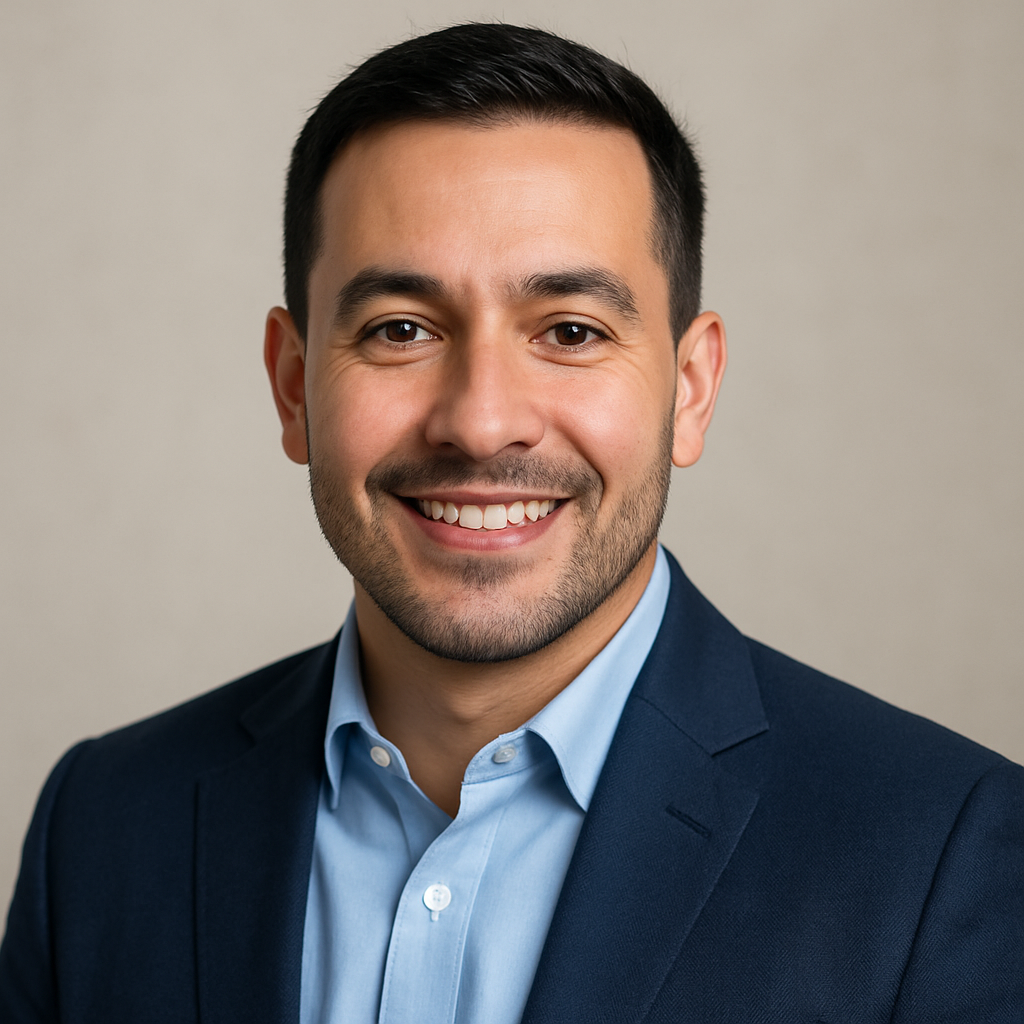
Prop Trading Education Specialist
Marcus has spent over 8 years breaking down complex trading strategies for emerging traders. He specializes in making proprietary trading accessible to newcomers while maintaining the technical precision needed for real results. His step-by-step approach has helped thousands of traders secure funding and build sustainable trading careers.

